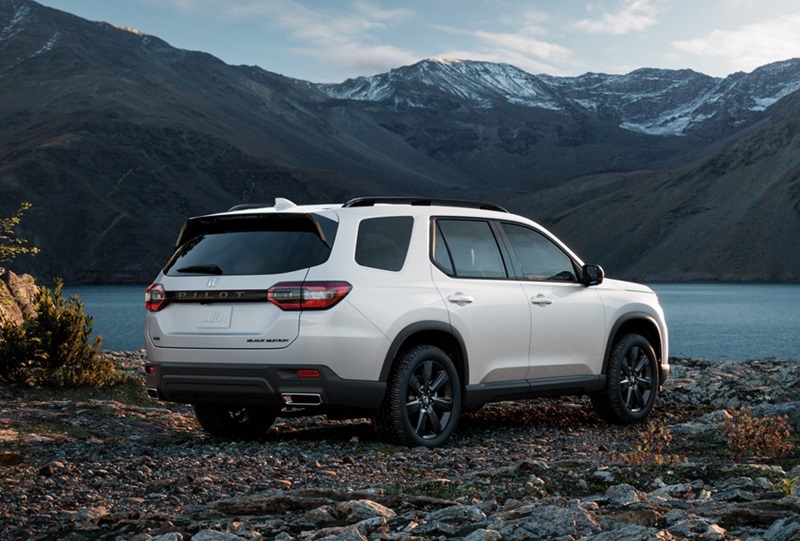
Honda of Oakland - Honda vs. Subaru for Steep Hills and All-Weather Commutes near Berkeley, CA
Every day, our team at Honda of Oakland meets shoppers who split their test drives between Honda and Subaru while trying to solve one very Berkeley challenge—navigating steep neighborhood hills, rain-slick eucalyptus leaves, and quick dashes between UC Berkeley, the Gourmet Ghetto, and the Marina, all before heading out for a weekend escape on I-80. If that is your routine, you are asking the right questions. Below, we compare Honda and Subaru as brands—especially their compact and midsize SUVs and sedans—through the lens of hill control, camera visibility, cabin tech for fog and traffic, and cargo flexibility for active Bay Area life.
Both brands have earned a reputation for durability and confidence. Subaru emphasizes standard all-wheel drive in many models and a sturdy, outdoors-ready posture. Honda focuses on balanced chassis tuning, driver-friendly technology, and packaging that makes daily life simpler—without demanding attention. For shoppers near Berkeley, CA, the details that separate a good daily driver from a great one often show up at 7 a.m. on Marin Ave, on wet pavement beneath eucalyptus shade in Tilden Park, or when parallel parking on a tight Elmwood block. That is the everyday proving ground we use when we help guests choose a new Honda.
Let’s start with hill confidence and traction, because few places test drivetrains like the Berkeley Hills. Honda offers two distinct all-wheel-drive approaches. Real Time AWD™ is available on models such as CR-V and HR-V, seamlessly sending torque rearward the moment front slip is detected—great for rain-slick urban climbs and trailhead parking lots. For larger SUVs like Passport and Pilot, the available i-VTM4® AWD system does more than react; it actively distributes torque side to side across the rear axle, helping the vehicle rotate predictably through tight uphill switchbacks and feel settled exiting a stop on an incline. Subaru’s Symmetrical All-Wheel Drive is standard on most of the brand’s lineup and is well known for even power delivery and poise. The distinction many Berkeley drivers notice on a test drive is how naturally Honda systems blend traction with steering feel when the pavement is patchy or crowned—especially with i-VTM4®.
To make the traction differences easier to digest at a glance, here is how the brands line up for steep, variable terrain around Berkeley and the North Oakland hills:
- Real Time AWD™ vs. Symmetrical AWD: Real Time AWD™ reacts quickly to front slip in rain or wet leaves, while Subaru’s Symmetrical AWD is always engaged for consistent balance.
- i-VTM4® torque vectoring: i-VTM4® can send torque to a single rear wheel to help the vehicle turn and stabilize on off-camber or crowned streets common in the hills.
- Selectable drive modes: Many Honda SUVs offer Snow or Trail modes that adjust throttle and traction logic for confidence on damp, debris-strewn roads; Subaru models often pair AWD with X-Mode for low-speed traction.
- Hill-start support: Honda models commonly include Hill Start Assist and available Auto Brake Hold for easier stop-and-go climbs on grades; comparable features are widely available in Subaru models as well.
Urban maneuvering is the next separator. Berkeley’s busy intersections, cyclists, and tight parking reward situational awareness. Honda’s Multi-Angle Rearview Camera is standard across the lineup, and available Parking Sensors and camera-based features provide crisp visuals that make parallel parking near College Ave or negotiating a narrow driveway on Spruce St feel less stressful. On select models—such as the latest Passport—TrailWatch™ adds forward and side camera views that shine on blind crests and tight trailheads alike. Subaru models provide clear rear and front camera views as well, and a 360-degree camera is available on certain trims. The camera quality and intuitive Honda interface tend to make a difference when seconds count and sightlines are limited.
Technology for fog and traffic also matters on the flats along University Ave and during slowdowns near the Maze. Honda Sensing® driver-assistive technologies are standard on most new Honda vehicles and include features such as Adaptive Cruise Control with Low-Speed Follow and Lane Keeping Assist System. On many trims, Traffic Jam Assist and a Driver Attention Monitor lend an extra layer of calm to weekday commutes. Subaru’s EyeSight Driver Assist Technology is likewise standard across much of the lineup and provides confident lane and distance support. While both brands deliver strong safety and driver-assist foundations, shoppers who want a native app experience appreciate that select recent Hondas offer Google built-in, bringing Google Maps, Google Assistant, and Google Play right into the vehicle—particularly helpful when routing around closures in the Berkeley Hills or finding EV charging options without a phone. Wireless Apple CarPlay® compatibility is widely available across Honda models as well, making it easy to step in and drive.
For families and active drivers, cargo flexibility turns errands and getaways into easier tasks. Honda emphasizes clever packaging across the lineup. The CR-V’s low, wide cargo opening eases stroller loading, and the Odyssey’s available Magic Slide second-row seats simplify school pickups on narrow streets. If weekend projects or surf sessions at the Berkeley Marina are your thing, the Honda Ridgeline’s Dual-Action Tailgate and In-Bed Trunk deliver lockable storage for gear without giving up a comfortable ride to dinner on Fourth St. Subaru models offer solid cargo space, robust roof rail systems, and a strong outdoors posture, which many shoppers value. Day to day, Honda’s low liftover heights, deep underfloor storage wells, and thoughtful hooks and shelves often reduce the number of trips back and forth to the curb.
Ride comfort and noise management can be overlooked until a foggy crosswind hits along the frontage roads by the Bay. Honda’s tuning typically favors a calm, composed ride with precise steering—easy to place in a narrow lane, stable over broken pavement, and quiet enough for hands-free calls. Subaru models are likewise stable and secure, with an all-weather confidence many owners appreciate. For routine Berkeley-to-Oakland commutes that combine hills, tight streets, and freeway merges, Honda’s blend of chassis balance and cabin quiet often leaves shoppers feeling less fatigued at day’s end.
If you are mapping out a test drive loop from our showroom to the Cal campus and up to Grizzly Peak before settling into North Berkeley for a coffee run, consider where your priorities land. To help, we summarized typical shopper profiles and which brand advantages often resonate most.
- Urban hill commuters: Honda’s available i-VTM4® AWD and clear camera systems make steep starts and tight turns feel natural, while Subaru’s Symmetrical AWD provides reassuring, always-on traction.
- Family carpoolers: Honda’s cabin packaging—low liftover cargo areas and available Magic Slide second-row seats—simplifies pickups on narrow streets; Subaru’s straightforward cargo spaces are easy to load and outfit with roof gear.
- Weekend adventurers: Honda’s Real Time AWD™ and i-VTM4® systems pair well with Snow or Trail modes for mixed-surface drives, and the Ridgeline’s In-Bed Trunk stores gear securely; Subaru’s X-Mode and sturdy roof rails support dirt-road explorations.
- Tech-first drivers: Honda’s available Google built-in and widely available wireless Apple CarPlay® streamline navigation and voice control in fog and traffic; Subaru’s STARLINK system provides strong smartphone integration across much of the lineup.
- EV curious shoppers: The Honda Prologue brings smooth, quiet confidence and an EPA-estimated range of up to 308 miles on select configurations—great for a Berkeley-to-Tahoe weekend with a top-off—while Subaru’s Solterra focuses on standard AWD capability in an all-electric format.
Local ownership experience is the final piece, and it becomes obvious after your first six months. Our Express Service team at Honda of Oakland is set up for life in the East Bay—oil and filter changes, wiper inserts for stormy days, tire rotations after a spirited season of hill driving, and brake inspections before ski trips. Many of our guests from Berkeley appreciate that routine maintenance can fit between a morning class drop-off and a lunch meeting downtown. Whatever you drive home, making service simple is part of how we support you for the long haul.
In short, Subaru models bring a durable, all-weather reputation that attracts many Berkeley shoppers, and the brand’s standard AWD on most vehicles is a strong selling point. Honda counters with a blend of elegant packaging, intuitive technology, and confidence-building AWD systems—Real Time AWD™ for light, efficient traction and i-VTM4® for torque-vectoring control on challenging terrain. Add the usability of features like TrailWatch™ on select models, the convenience of Google built-in on recent Hondas, and the cargo ingenuity of options like the Ridgeline’s In-Bed Trunk, and our shoppers near Berkeley, CA often find Honda better aligned to steep-grade urban life and weekend versatility.
We invite you to visit Honda of Oakland at 3330 Broadway—just a quick hop from the Berkeley border—for a comparison drive that includes your real routes. Bring your hills, bring your tight parking challenges, and bring your gear. We will map a loop, switch between models and trims, and help you feel the differences that matter every day.
Frequently Asked Questions:
Is Honda Sensing® standard on new Honda vehicles?
Honda Sensing® driver-assistive technologies are standard on most new Honda models, including core sedans and SUVs. Features can vary by trim, and our team can walk you through the exact equipment on the vehicles you are considering.
Which Honda AWD system is better for Berkeley’s steep streets—Real Time AWD™ or i-VTM4®?
For compact SUVs that spend most of their time on pavement, Real Time AWD™ adds seamless confidence in wet or leaf-covered conditions. If you want the most control on steep, twisty grades or plan to explore fire roads and trailheads, i-VTM4® provides torque vectoring that helps the vehicle turn and stabilize under power.
Do Honda hybrids need to be plugged in for my commute?
No. Honda hybrid models like CR-V Hybrid and Accord Hybrid are self-charging and do not require plugging in. They automatically blend electric motor assistance with a gasoline engine for smooth, efficient driving around Berkeley and beyond.
Can I try multiple trims and compare camera systems on one visit?
Yes. Our team can set up a route that highlights steep inclines, tight parking, and freeway merges so you can compare camera views, steering feel, and driver-assist features across different Honda models and trims.
What if I am considering an EV?
We can help you test drive the Honda Prologue and discuss charging options around Berkeley. With available Google built-in and smooth, quiet performance, it is an easy transition for many first-time EV shoppers.
Ready to experience the difference where it counts—on your streets and your schedule? Contact Honda of Oakland and let us tailor a brand-to-brand drive near Berkeley, CA so you can feel how Honda turns steep hills, fog, and tight parking into everyday ease.